Building a membership site isn't just about slapping a paywall on some content. It’s a thoughtful process of planning your niche, picking the right tools, setting up your payment structure, and finally, getting the word out. The good news? It's less about wrestling with complicated code and more about creating a valuable, sustainable home for your ideal members.
Before you even think about plugins or payment gateways, the real work begins with your strategy. A truly great membership isn't just a folder of password-protected pages; it's a living, breathing community built around a shared passion or goal.
Getting this foundation right is easily the most critical part of the whole process. It's what separates a site that people pay for once from a community they'll be excited to stick with for the long haul. This initial planning phase dictates every other decision you'll make, from what you create to how you price it.
The first question you should ask isn't "what should I build?" It's "who can I serve?" A profitable membership site solves a very specific problem for a very specific group of people. Look at your own unique skills, professional experience, and genuine passions. Where do those things intersect with a real need out in the world?
Don't just aim for a broad topic like "fitness." Get specific. Think "kettlebell training for busy dads over 40" or "vegan meal prep for marathon runners." This kind of clarity makes it a thousand times easier to create content that hits home and attract members who feel like you're talking directly to them.
Once you have that niche, create an "ideal member avatar." Give them a name, a job, a list of their biggest frustrations. What keeps them up at night? What are they trying to achieve? This person will become your North Star for every piece of content you create and every marketing email you send.
The membership model has become an incredibly powerful way to generate stable income and build lasting customer relationships. In fact, businesses using this model often see up to 60% higher customer retention rates compared to those selling one-time products.
Thinking about this from the start also means considering the entire member journey. It's crucial to plan for long-term engagement right out of the gate. Looking into strategies for product adoption early on will help ensure your members don't just sign up, but actively use and get real value from your site.
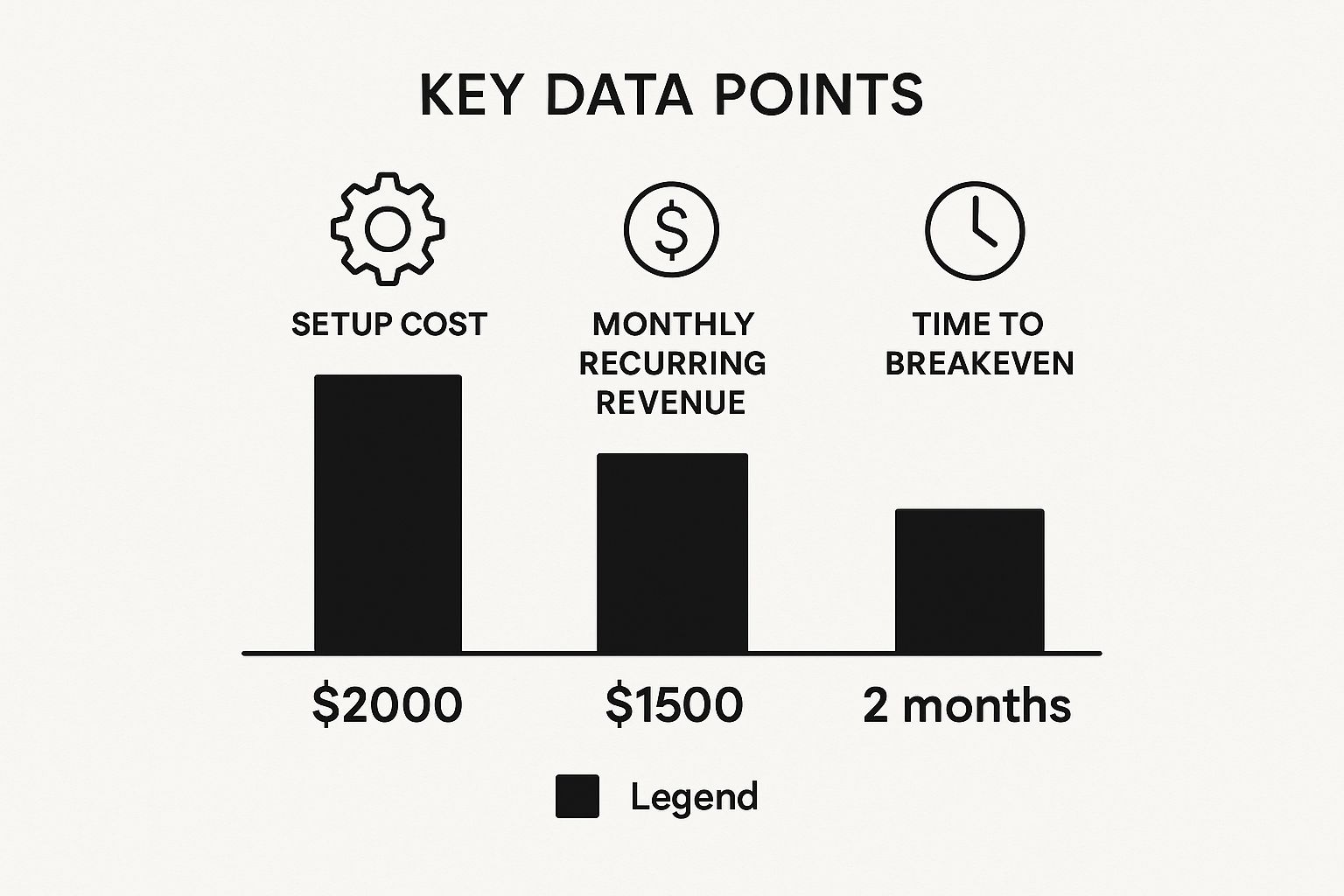
This quick projection shows just how powerful the recurring revenue model is. Even with some initial setup costs, you can hit your breakeven point surprisingly fast and start generating predictable monthly income.
With your niche and ideal member clearly defined, it's time to decide how you'll actually structure your membership. How are you going to deliver all that valuable content? Your choice here directly impacts both the member experience and your own revenue potential.
If you're building your site on Notion, it's worth exploring the different ways you can handle https://sotion.so/blog/notion-membership-management to see what fits your vision.
To help you decide, let's break down the most common approaches.
This table compares common membership site models to help you choose the best fit for your content and audience.
| Model Type | Best For | Pros | Cons |
|---|---|---|---|
| The "All-In" Model | Simple communities, resource libraries | Easy to understand, fosters strong community. | Can be overwhelming for new members, harder to justify a high price. |
| The Tiered Model | Offering different levels of value | Clear upgrade path, caters to different budgets. | Can become complex to manage, potential for "choice paralysis". |
| The Drip Content Model | Structured courses, sequential learning | Prevents overwhelm, keeps members engaged over time. | Less flexibility for members who want to jump ahead. |
| The Product-Based Model | Software tools, digital products | High perceived value, clear connection to the core offering. | Tied to the success and updates of a single product. |
Each model has its place, and the best one for you really depends on what you're teaching or offering. Don't be afraid to start simple—you can always evolve your model as your community grows and you learn more about what your members truly want.